These apps are mentioned in the breakdown of this job. Open each one to compare strengths and limits. The order of the list is not a ranking of fitness.
Rank 7. Review score: 62 out of 100. App Store rating: 4.8★ · 1,088,879 ratings
62of 100
Quizlet is a solid flashcard tool with good study mechanics. Creating sets is fast, and the library of other users' content is enormous. But spaced repetition is heavily cut in the free tier, the test mode has a monthly attempt limit, and grading for open-ended answers sometimes marks wrong answers as correct.
Praised: A massive library of ready-made sets from other users. Multiple study formats match, test, learn switchable in one tap.
Complaints: The adaptive algorithm for weak cards only works in the paid version. Written answer grading is imprecise it accepts questionable answers and rejects correct ones.
Best for: Students who need to quickly cram someone else's set before an exam. Long-term retention requires a paid subscription.
Rank 11. Review score: 55 out of 100. App Store rating: 4.8★ · 12,266 ratings
55of 100
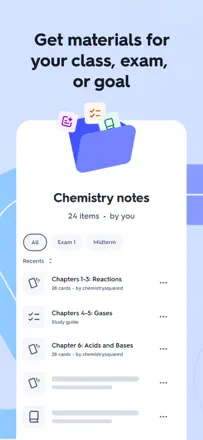
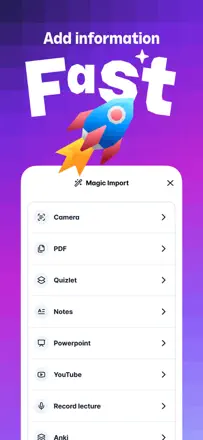
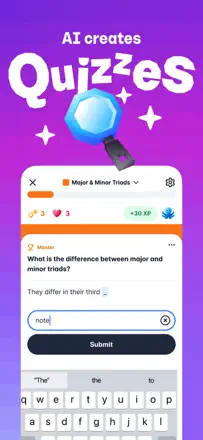
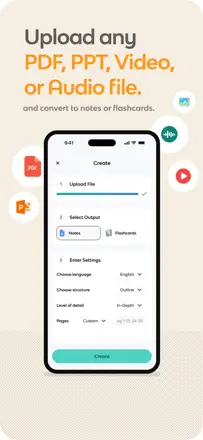
An AI tutor that generates flashcards from uploaded material photos of notes, PDFs, links. The auto-generation mechanic works, but the AI often produces low-quality cards (inconsistent quantity, irrelevant questions). The 'hearts' system artificially caps study time. The app hangs after a completed quiz, wiping progress.
Praised: Upload a photo of your notes and get a ready deck. There's an explanation mode after wrong answers, support for learning materials via link, and integration with an AI tutor.
Complaints: The AI splits material into cards unevenly. The hearts system cuts off your session mid-study. Post-quiz hangs destroy progress. Onboarding asks for excessive personal data and contact access.
Best for: Students who want to quickly turn lecture notes into cards for exam prep without building decks manually.
Rank 20. Review score: 42 out of 100. App Store rating: 4.7★ · 10,097 ratings
42of 100
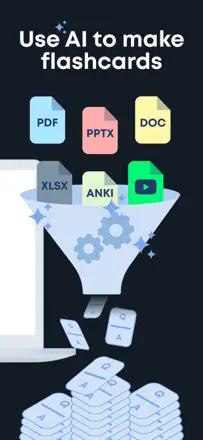
An AI generator that creates study materials from user-uploaded sources (photos, PDFs, notes) with auto-generated flashcards, tests, and summaries. The AI cards are created, but quality is inconsistent. The app has quietly moved features behind a paywall that were previously free. Support is unreachable. Subscription terms are unclear with potentially hidden charges.
Praised: Scan handwritten notes and convert them to cards. Generate test questions from uploaded material. AI assistant explains topics.
Complaints: Paywall appears without warning mid-study on features that were previously free. Progress doesn't transfer on upgrade. AI chat answers cut off mid-response. Support doesn't respond. Test answer options are weak (other questions used as distractors).
Best for: High school and college students who want to quickly turn notes into study materials before exams. Not suitable for long-term use due to unstable monetization policy.
Rank 3. Review score: 70 out of 100. App Store rating: 4.8★ · 20,937 ratings
70of 100
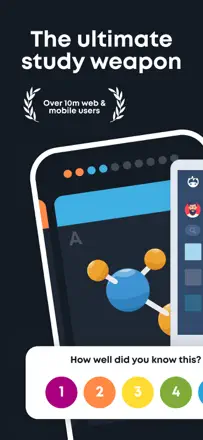
Brainscape is one of the few apps in this batch that genuinely implements spaced repetition with user-rated confidence. The method works, and the interface is cleaner than most competitors. The main limitations are around session control and text-to-speech.
Praised: A five-point confidence scale on every card directly drives review frequency this is honest SRS. Cross-platform: easy to create decks in the browser, easy to study on your phone.
Complaints: You can't set a fixed number of cards per session. No text-to-speech. The algorithm sometimes resurfaces cards you just reviewed while ignoring ones you haven't answered.
Best for: Students and self-learners with ready-made card sets or who want to build their own. Especially good for people who study on both phone and computer.
Rank 22. Review score: 41 out of 100. App Store rating: 4.7★ · 5,545 ratings
41of 100
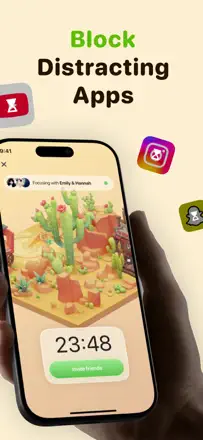
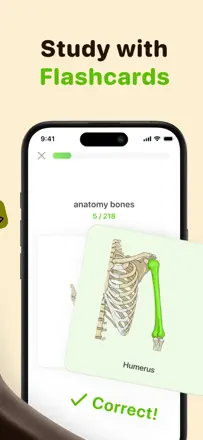
A focus timer with gamification (a garden tile system) and a basic flashcard module. Cards are secondary, not core: there's no spaced repetition, and cards work alongside Pomodoro sessions. The app is genuinely useful as a study motivation tool, but it's not competitive as a dedicated flashcard app.
Praised: The garden tile gamification builds a study habit users come back for progress in the garden, not just for the studying itself.
Complaints: Flashcards are superficially integrated: no spaced-repetition algorithm, no analytics on which cards are weakest.
Best for: School and college students who need a motivator for long study sessions, not a rigorous memory trainer.