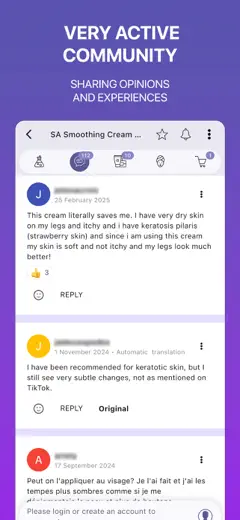
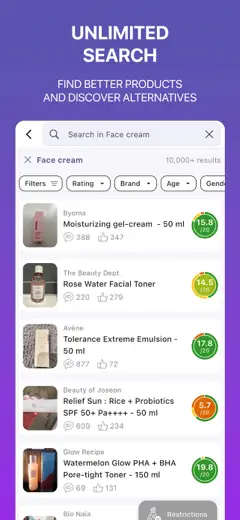
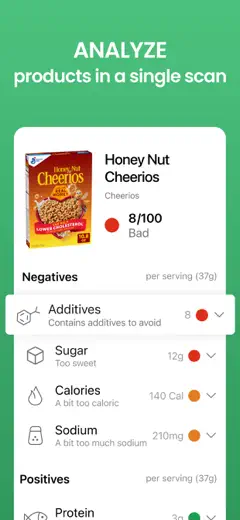
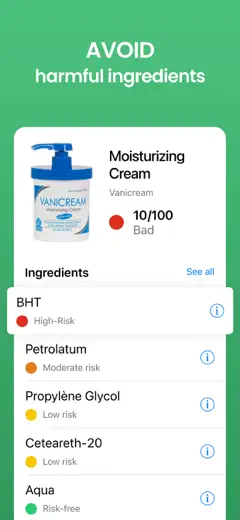
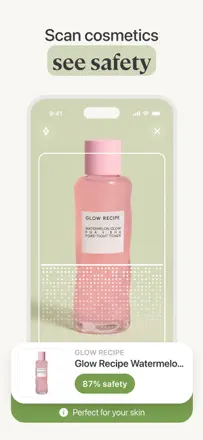
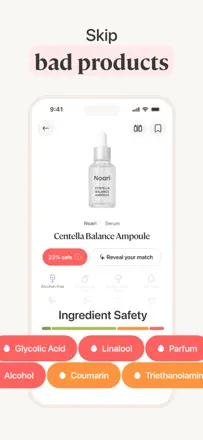
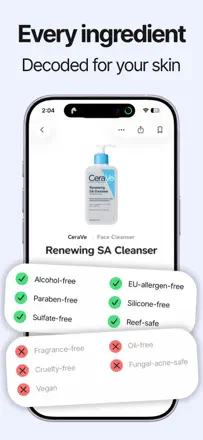
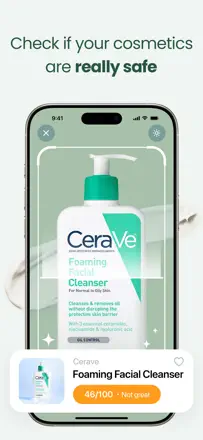
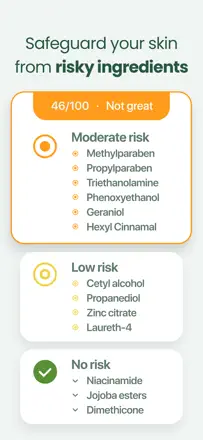
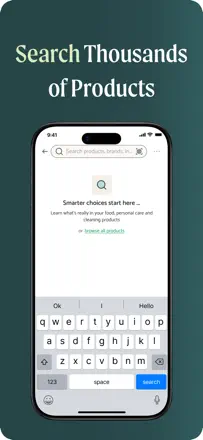
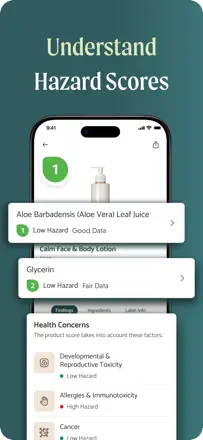
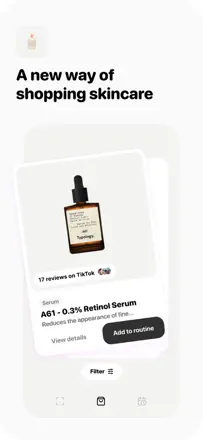
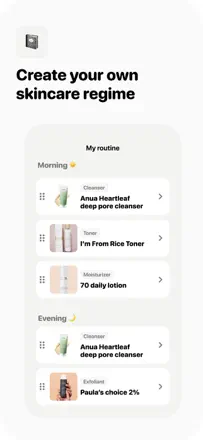
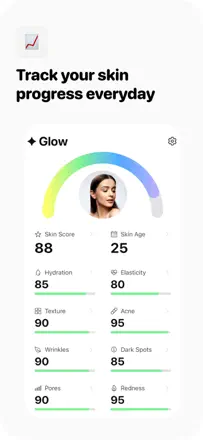
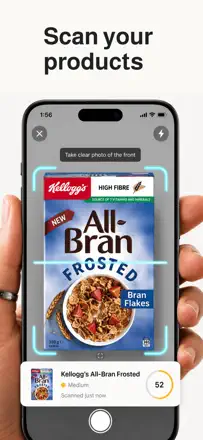
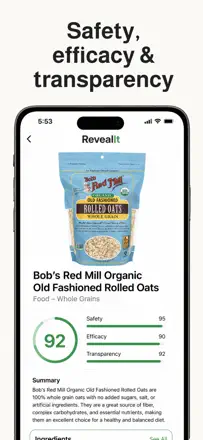
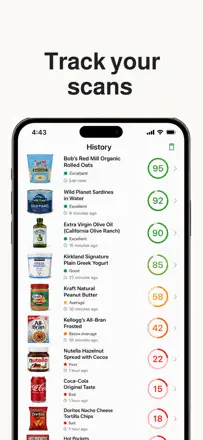
Where the ingredient verdict is well-grounded and your product is in the database, and where the scan fails to recognize it and the score has no reasoning. The highest review-text scores: Clearya (80/100), INCI Beauty (78), and Yuka (74).
Review score: 80 out of 100. App Store rating: 4.8★ · 508 ratings
80of 100
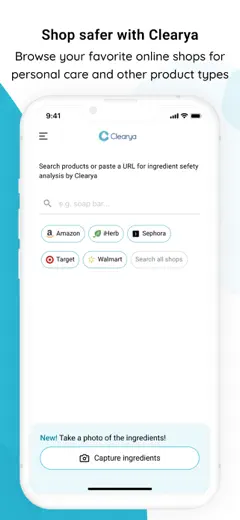
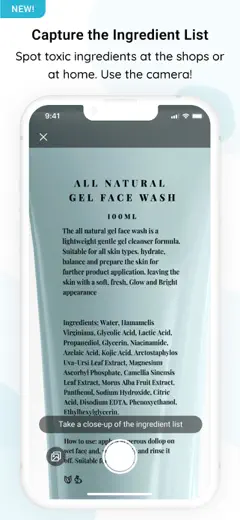
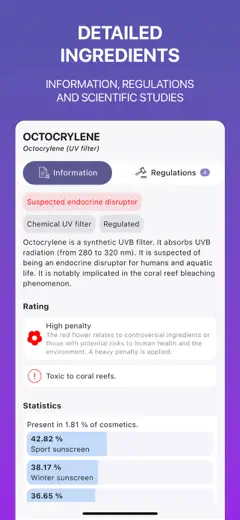
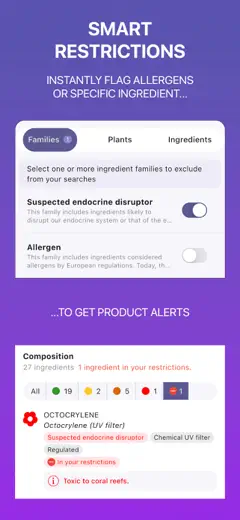
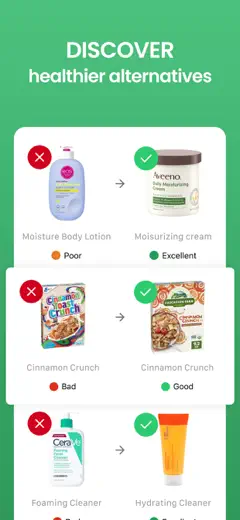
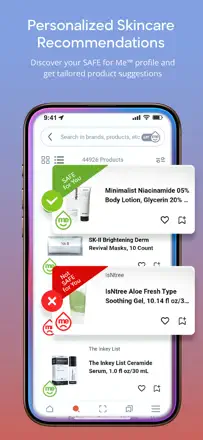
People love it for its honesty: it is free, sells nothing, you search a product through Amazon, Target or Walmart and instantly see harmful ingredients with clear explanations and color coding, plus safer alternatives. Many arrived after documentaries and share it with friends. But it sometimes stumbles: some categories are marked unsupported, Walmart items fail to load, and one user caught a missed harmful ingredient, so you cannot trust it blindly.
Praised
Free and no selling, clear ingredient explanations and color coding, safer alternatives, search through Amazon and Target, showing bans in the EU and Japan
Complaints
Some categories unsupported, Walmart items fail to load, sometimes slow, rare misses of harmful ingredients, no barcode scanner
Best for: People who want to choose cosmetics and household goods free of harmful ingredients and understand exactly why they are harmful
Review score: 78 out of 100. App Store rating: 4.8★ · 1,212 ratings
78of 100
People love it as an honest ingredient database: you scan a product and see a breakdown of every component, and if a product is missing you add it yourself and wait a couple of days for analysis. It especially wins over those who toss packaging and forget the formula, and parents of kids with hundreds of allergens. The downsides are real but not fatal: intrusive ads get in the way in stores, dark mode breaks readability, and some pricey products are not in the base yet.
Praised
Breakdown of each ingredient, ability to add your own product and get it analyzed, help with allergies, reliable and useful information
Complaints
Intrusive unskippable ads, broken dark mode, not every product is in the database, interface asked to be improved
Best for: People who want to understand what is in their cosmetics and consciously avoid harmful ingredients, including families with allergies
Review score: 74 out of 100. App Store rating: 4.8★ · 96,550 ratings
74of 100
People use Yuka as a quick shelf-side product check and love that it actually changes what cosmetics and food they buy. Trust breaks on the scoring method: identical products get different ratings, additives like MSG get flagged on shaky science, and a macro-solid protein drops to 9 out of 100. On top of that the app sometimes won't load and locks part of its features behind a subscription.
Praised
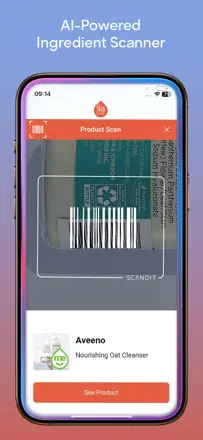
Fast barcode scan at the shelf, actually changes cosmetics and food choices, clear ingredient breakdown, helps pick products that don't cause breakouts
Complaints
The same product gets different scores, questionable methodology (MSG, protein at 9/100), accusations of bias toward paying brands, app occasionally won't load, some features behind a subscription
Best for: For anyone who wants to grasp a cosmetic or food's ingredients in seconds at the shelf and is willing to double-check the odd rating
Rank 4. Review score: 62 out of 100. App Store rating: 4.7★ · 665 ratings
62of 100
People use it to check before buying at Sephora or Ulta whether a product suits their skin, and it genuinely saves them from bad purchases. They value the search, the photo scan, and hints for specific issues like fungal acne. But results disagree with other apps and even with brand websites, the scan quickly hits the free-attempt limit, and sometimes it just loads endlessly and shows no data.
Praised: Checking a product before buying in the store, search and photo scan, hints for specific skin problems, help quitting impulse purchases
Complaints: Results disagree with other sources, few free scans, freezes and fails to load info, some products not in the database
Best for: People who want to quickly check a product right in the store before buying and avoid buying extra
Rank 5. Review score: 58 out of 100. App Store rating: 4.8★ · 14,300 ratings
58of 100
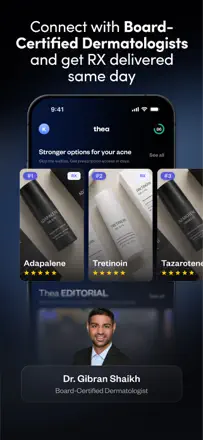
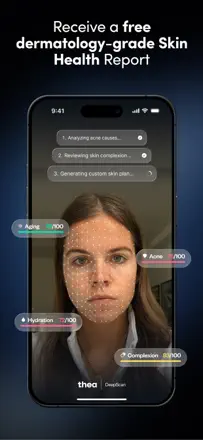
People value Thea for building a personalized routine and especially for checking whether products conflict with each other, and it genuinely cleared some people's acne. It breaks in two spots: the skin score doesn't move even when skin has clearly improved, which undermines trust in the tracking, and the app walks you through a quiz and photos only to hit a paywall with no warning. Plus the 13+ age gate shuts out the younger teens it drew in.
Praised: Personalized routine by skin type, checking product compatibility with each other, genuinely helps with acne, photo progress tracking
Complaints: Skin score won't move despite clear skin improvement, paywall shown only at the end after the quiz and photos, pricey (around 60 dollars a year), 13+ age gate, scan confuses freckles with pimples
Best for: For teens and adults with problem skin who want to build a routine and check that products don't conflict
Rank 6. Review score: 58 out of 100. App Store rating: 4.6★ · 1,760 ratings
58of 100
For people with allergies and dermatitis it is a lifesaver: you scan a product in the store and instantly see if it is safe for your allergen list, which eases real anxiety. But the ingredient data is often wrong, causing either false alarms or missed problems, and the developers do not respond to error reports. On top of that the app keeps logging you out, fails to load product pages, and locks basic functions behind a subscription.
Praised: Fast in-store scan against a personal allergen list, calm with dermatitis and multiple allergies, help for those with a medical need
Complaints: Wrong ingredient data and false alarms, silent support, crashes and forced logouts, product pages fail to load, basics only by subscription
Best for: People with contact dermatitis, eczema and multiple allergies who need to check every product for safety
Rank 7. Review score: 55 out of 100. App Store rating: 4.8★ · 55,892 ratings
55of 100
People loved Think Dirty for years for letting them scan a barcode in-store and find clean beauty products, and many cleared out their bathroom on its advice. The main pain now is that name search got locked behind a subscription when it used to be free, and many feel misled. On top of that the database is thin: it doesn't find half the products in a store, and buy links point to Amazon.
Praised: In-store barcode scanning, helps find clean skin and hair products, actually changes what's in the bathroom, lots of items in the database
Complaints: Name search moved behind a subscription, thin database (misses half the products), pushy notification pop-up, links point to Amazon, sometimes paying unlocked nothing
Best for: For anyone building a clean skin and hair care kit who's willing to pay for name search
Rank 8. Review score: 54 out of 100. App Store rating: 4.7★ · 5,732 ratings
54of 100
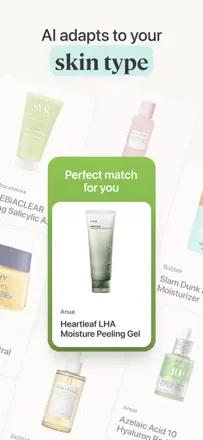
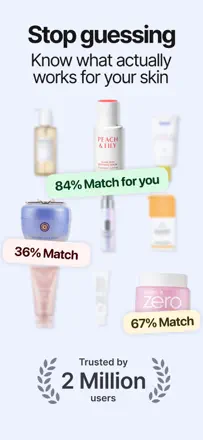
People value SkinSort for breaking down ingredients and matching products to skin as a match percentage, and they like reading and leaving product reviews. Trust in the personal score breaks: the match percentage changes retroactively with no profile change, and after paying the product ratings suddenly drop, leaving people feeling cheated. Plus it's more of a search engine than an assistant: it doesn't build a routine or warn about product conflicts, it just shows dupes.
Praised: Breaking down unfamiliar ingredients, matching products to skin as a percentage, other people's product reviews, comparing two products, flagging already-vetted products
Complaints: Match percentage changes retroactively with no profile change, ratings drop after paying, doesn't build a routine or warn about product conflicts, more search engine than assistant, side-by-side comparison moved behind a subscription, inaccurate data versus the manufacturer's site
Best for: For anyone who wants to understand ingredients and find products matching by composition, and will build the routine themselves
Rank 9. Review score: 52 out of 100. App Store rating: 4.7★ · 33,055 ratings
52of 100
People value OnSkin for being certified by skin specialists and for a quick cosmetics check, and it genuinely helped some with acne. But the reviews show it forces payment from the first screen with no real free limit, which angers people expecting a trial. It's technically shaky too: analysis of unfamiliar products hangs for months, K-beauty barely gets found, and Apple ID-only sign-in often fails.
Praised: Certification by skin specialists, quick cosmetics check, helped some with acne, basic check available to some
Complaints: Paywalled from the first screen with no free limit, analysis of unfamiliar products hangs for months, barely finds K-beauty, barcode stopped scanning, Apple ID-only sign-in often fails
Best for: For anyone wanting a specialist-vetted rating of Western cosmetics who's willing to pay upfront
Rank 10. Review score: 52 out of 100. App Store rating: 4.6★ · 2,458 ratings
52of 100
People genuinely thank it for the step-by-step makeup lessons and for matching eyeshadow shades to their eye and skin tone, which saves time and money on failed experiments. But it markets itself as free, then demands payment at the end of the quiz, and cards get charged twice without warning. Color matching is often off: Black women are shown white celebrities, and cool undertones get pushed onto people who do not have them.
Praised: Step-by-step makeup lessons, shade matching to eyes and skin tone, small tricks like locking eyeliner with powder, saving money on failed purchases
Complaints: Surprise charge at the end of the quiz, double billing and rude support, color matching often inaccurate, ignores darker skin and specific undertones
Best for: People who have worn makeup for years but get confused about eyeshadow colors and eyeliner shapes for their features and want visual lessons
Rank 11. Review score: 48 out of 100. App Store rating: 3.8★ · 2,635 ratings
48of 100
People value EWG as the oldest and most authoritative database on cosmetics and food safety, and they've used it for over a decade and trust its research. The reviews show the app falls down on scanning: out of 20-50 products in a store only a handful get found, and those found often carry a 2016 rating or an old formulation. After the update it got worse: an ingredient's score hides behind a tap, you can't paste an ingredient list as text, and sunscreens lost their UVA/UVB data.
Praised: The oldest authoritative database on cosmetics and food safety, constantly updates its data, quick check before buying, easy search and adding products
Complaints: The scanner finds a handful of products out of dozens, many outdated 2016 ratings and old formulations, after the update an ingredient's score hides behind a tap, can't paste ingredients as text, sunscreens lost their UVA/UVB data
Best for: For anyone who wants to check cosmetics and food against an authoritative database and can live with a weak scanner and outdated data
Rank 12. Review score: 45 out of 100. App Store rating: 4.8★ · 6,492 ratings
45of 100
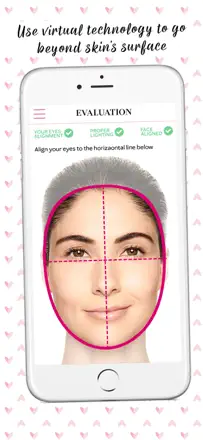
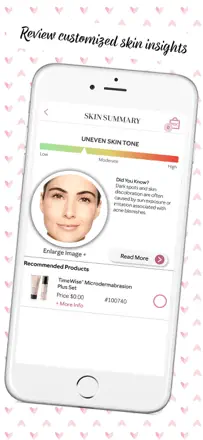
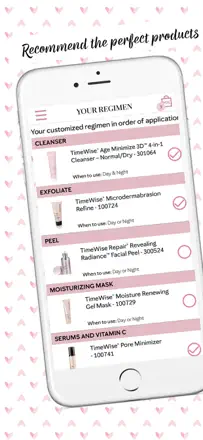
People value the Mary Kay Skin Analyzer for the idea of showing a client their skin and building a care plan, and consultants use it in their work. But the reviews show the app hits one breakdown: the camera can't align a face and take a shot, throwing an error over and over even on good iPhones, which leaves consultants helpless in front of a client. The second gap is that the share button sends only the product list, with no summary of the skin's condition.
Praised: Shows a client their skin and imperfections, explains how and why skin ages, helps build a care plan, a tool for consultants
Complaints: Camera won't align a face and take a shot, constant errors even on good iPhones, doesn't save data, share button sends only the product list with no skin summary
Best for: For Mary Kay consultants and clients who need a skin read and care plan, if the camera agrees to take a shot
Rank 13. Review score: 42 out of 100. App Store rating: 4.8★ · 40,086 ratings
42of 100
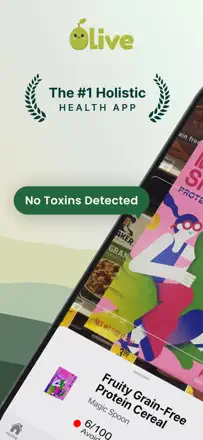
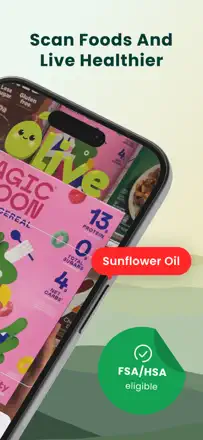
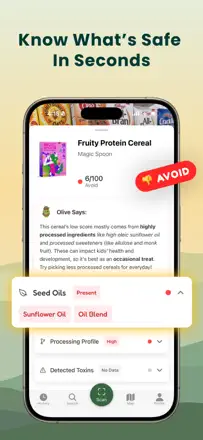
Olive bills itself as a food scanner, and some people like the idea of seeing seed oils and finding healthier swaps. But the reviews show unstable scoring: a hot dog gets 100 out of 100, the same product shows a different score in the list versus on tap, and search often fails. On top of that a huge questionnaire of dozens of screens and an aggressive subscription with no clear close button leave people feeling railroaded into paying.
Praised: The idea of spotting seed oils, healthier swaps for the same money, tuning to personal food restrictions, clean interface
Complaints: Unstable scoring (hot dog at 100/100, different score in list vs on tap), search often fails, dozens of questionnaire screens before starting, subscription pop-up with no close button, can't create an account after paying
Best for: For anyone watching seed oils and food processing who's willing to tolerate questionable scores for healthier swaps
Rank 14. Review score: 40 out of 100. App Store rating: 4.8★ · 8,354 ratings
40of 100
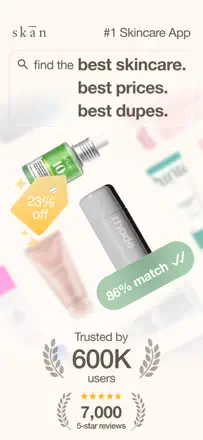
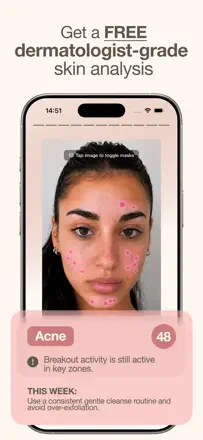
People praise Skan for reading a face reasonably well and identifying skin type like combination or fungal acne, and it replaced a dermatologist for some. The reviews show the main trouble is billing: people report 21-26 dollar charges after a "free" analysis promised in ads, and no support to get a refund. It's technically shaky: the face scan won't load, the AI coach glitches and can't see the rest of the app, and the initial questionnaire is clearly built for light skin.
Praised: Reads a face and skin type reasonably well (combination, fungal acne), relevant questions, replaced a dermatologist and saved money for some
Complaints: Charges after a promised free analysis, no support for refunds, face scan won't load, AI coach glitches and can't see the rest of the app, can't add your own products or account for tretinoin, questionnaire tuned for light skin
Best for: For anyone wanting a quick skin-type read who's willing to risk opaque billing
Rank 15. Review score: 30 out of 100. App Store rating: 4.6★ · 3,594 ratings
30of 100
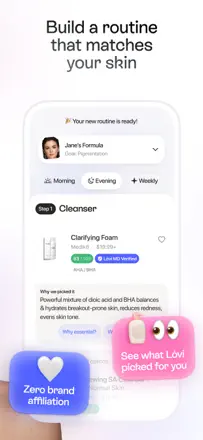
Lovi sells itself via TikTok as a skincare service, but people quickly realize it's an AI that picks products from Amazon and charges a subscription. The reviews show the main troubles are a hidden subscription, charges after cancellation and no way to get money back, plus a swap of the advertised Korean care for ordinary drugstore products. It's technically bad too: the app freezes every couple of minutes, and a product's compatibility percentage jumps from 94 to 60 with no action from the user.
Praised: Face scan and highlighting of problem zones, genuinely improved skin and reduced rosacea redness for some, recommendations for specific concerns
Complaints: Hidden subscription and charges after cancellation, no way to get money back, ads of Korean care instead of actual drugstore products, app freezes every couple of minutes, compatibility percentage jumps with no action, factors price into the score without warning, can't add your own products to the routine
Best for: For anyone looking for a starter routine from a face photo who's willing to risk an opaque subscription
Rank 16. Review score: 24 out of 100. App Store rating: 4.0★ · 746 ratings
24of 100
People grab a skin scan for a quick answer about a mole or rash, and it gave some a direction or saved a dermatologist visit. But it returns different results for the same photo and essentially routes requests through ChatGPT with no model of its own. The most dangerous part is false diagnoses: it failed to recognize real cancer, yet flagged a harmless child rash as cancer at a high percentage, and doctors openly advise not to trust the scanner.
Praised: Quick answer about a mole or rash, a direction to dig in, a feeling of saving on a dermatologist visit
Complaints: Different diagnoses for the same photo, dangerously false cancer results, no model of its own, pay to scan without real accuracy, subscription for almost everything
Best for: People who want a first rough guess about a skin spot, but only as a reason to see a doctor, not as a diagnosis
Rank 17. Review score: 22 out of 100. App Store rating: 4.8★ · 2,224 ratings
22of 100
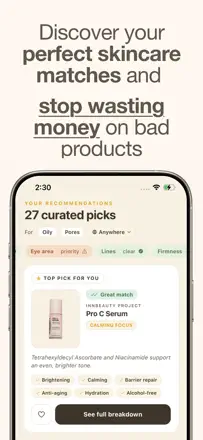
People like the idea of a skin scanner, and it does help some figure out their routine and pick products for their type. But it walks you through a long quiz and a face scan, then hides the result behind a paywall, often 4.99 a week, and that infuriates almost everyone. People doubt the science behind the analysis, complain about dead support, and report large charges after a tiny trial.
Praised: The scanning idea itself, routine matching to skin type, choice of Asian products, personalized recommendations
Complaints: Results only after payment, expensive weekly subscription, questionable analysis accuracy, unresponsive support, unexpected large charges
Best for: Skincare beginners willing to pay for product matching blind, before they have seen any result
Rank 18. Review score: 12 out of 100. App Store rating: 4.4★ · 518 ratings
12of 100
Behind the product-scanner facade people hit manipulation: the app asks for five stars before you have used it even once, which also explains the fake high store rating. Then comes a long intrusive quiz about income and personal data, forced consent to receive a product, and only then a paid subscription. The scan barely works and invents results: it finds ingredients that are not there in 100% almond butter.
Praised: The idea itself of checking a product before buying, for a few the scan worked
Complaints: Demands five stars before use, intrusive quiz about income and personal data, hidden charges with no free access, scan does not work, invented ingredients
About scores
Two scores — two sources
They help compare apps, but they don’t replace checking your own job.
Review score · up to 100
The stored score from inApp research on review texts. It rates the app overall in the archive, not the reliability of any one feature.
Store rating · up to 5
The rating from the app’s page when the data was collected. The current rating and version may differ.
In the archived sample for this topic: 18 apps and 3,854 reviews read. That is the total size of the research, not the number of reviews per app.
A gap between the scores doesn’t prove manipulation. The calculation date and the full scoring method aren’t in the mobile archive. Compare the job descriptions and the source quotes, and check the terms in the current version.